


Game design mechanics Exploring the intersection of chance and strategy in gambling
Game design mechanics Exploring the intersection of chance and strategy in gambling
The Role of Chance in Gambling Mechanics
Chance is a foundational element in gambling mechanics, influencing outcomes and player experiences. Games such as slots and roulette rely heavily on random number generators (RNGs) to determine results. This randomness creates unpredictability, which enhances the excitement and allure of gambling. For instance, a player might experience a winning streak on a slot machine, driven entirely by chance, which can lead to increased engagement and anticipation. Players interested in learning more can visit https://casea.nz/ to explore various games that illustrate this principle.
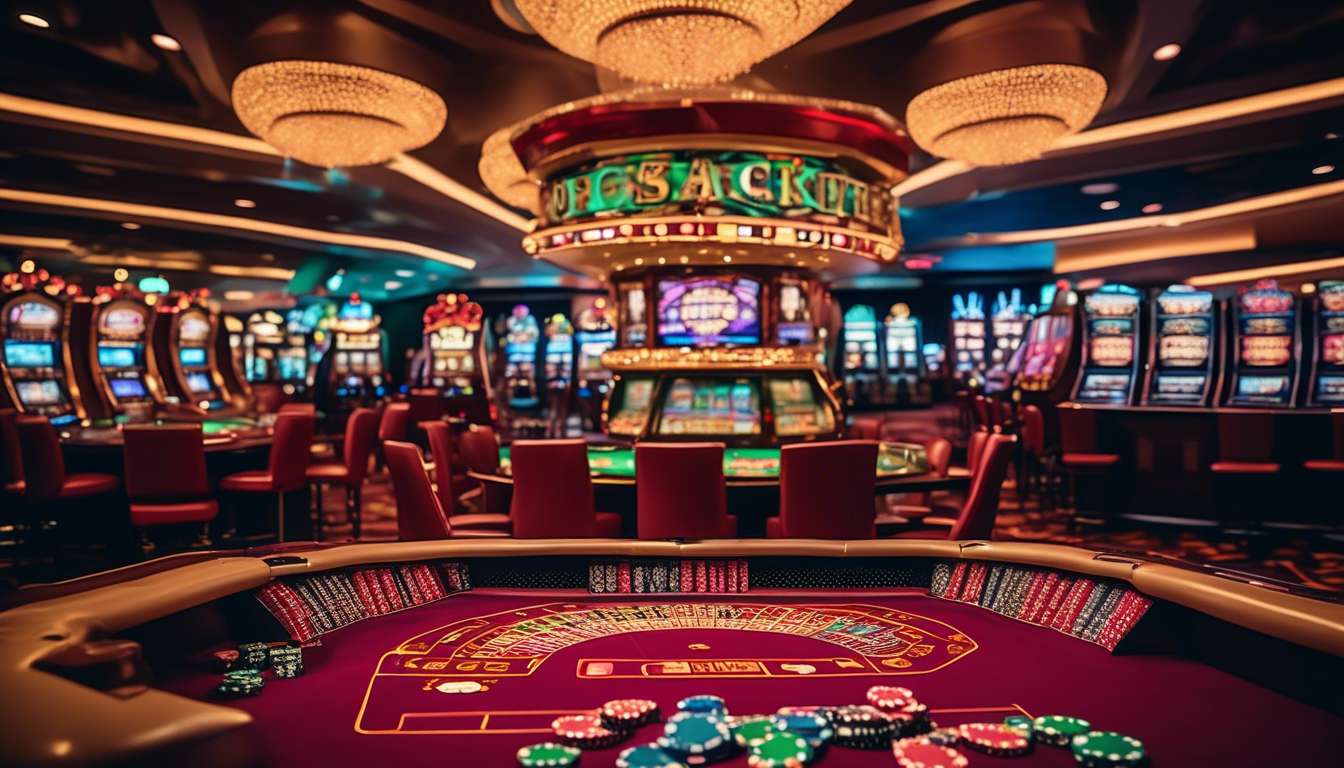
Furthermore, the element of chance is often structured through probability and statistics, which game designers intricately weave into their games. Understanding the odds of different outcomes is crucial for players who wish to make informed decisions. For example, in a game of blackjack, while the initial cards dealt are random, player strategy and knowledge of probabilities can influence the game’s progression. This combination of chance and strategic thinking creates a multifaceted gambling experience.
In many cases, games are designed to manipulate the balance between chance and skill to keep players engaged. For instance, poker showcases how players can use their understanding of probability, combined with chance, to outsmart their opponents. By evaluating their hands and predicting others’ moves, players can make strategic decisions, demonstrating that while chance is a significant factor, skill can also have a profound impact on the outcome.
Strategy: Navigating the Unpredictable
Strategy in gambling involves leveraging knowledge and experience to navigate outcomes influenced by chance. This is particularly evident in games like poker and blackjack, where players must make critical decisions based on incomplete information. Employing strategies such as card counting or bluffing can shift the odds in a player’s favor, showcasing how skill can coexist with chance in these environments. Consequently, successful players often develop a deep understanding of game mechanics and probabilities, allowing them to maximize their potential returns.
Moreover, strategic planning can also play a role in how players approach games of pure chance. For instance, understanding betting systems in games like roulette or baccarat allows players to manage their bankroll effectively. While the outcomes are still random, employing a strategic mindset helps players set realistic expectations and mitigate losses. This blend of strategy and chance creates a dynamic gaming atmosphere that challenges players to adapt and evolve their approaches.
In essence, strategy is not merely about making the right decisions; it’s also about the timing of those decisions. Players who can balance their strategic approaches with the inherent unpredictability of gambling are often more successful. For instance, knowing when to take risks or play conservatively can define a player’s experience, illustrating that strategy and chance continually interact in the realm of gambling.
The Psychology of Chance and Strategy
The interplay between chance and strategy in gambling significantly influences player psychology. The thrill associated with taking risks and the possibility of winning can trigger strong emotional responses. Players often experience a rush during moments of chance, especially when they believe that skill or strategy can influence the outcome. This psychological phenomenon is prevalent in games where players feel they have some control over their fate, such as poker, enhancing their overall engagement.
Additionally, cognitive biases can come into play when players assess their chances of winning. Many gamblers exhibit an illusion of control, believing that their strategic choices can consistently affect outcomes. For instance, a player might feel that their betting patterns can sway a game’s direction despite the inherent randomness. Understanding these psychological aspects is essential for game designers aiming to create immersive experiences that resonate with players while highlighting the balance between chance and strategy.
Furthermore, the psychological effects of winning and losing can influence future gambling behaviors. Winning can lead to a sense of euphoria and increased confidence, prompting players to take bigger risks, while losing might instill a sense of caution or even compulsion. Designers must consider these elements when crafting games to ensure they provide a rewarding experience while maintaining a responsible gambling environment. Ultimately, the psychological interplay of chance and strategy enriches the gaming experience, making it complex and fascinating.
The Impact of Game Design on Player Experience
Game design plays a pivotal role in shaping how chance and strategy interact within gambling. Designers carefully curate the rules, visuals, and mechanics to enhance player engagement. For example, slot games often incorporate vibrant themes and captivating sound effects to create an immersive experience, while also relying on RNG to dictate outcomes. The design choices made can heighten the sensation of chance, making players feel more connected to the experience.
Moreover, effective game design can encourage strategic thinking by incorporating elements that allow for player choices. In games like blackjack, the ability to hit, stand, or double down offers players the chance to make strategic decisions based on their understanding of the game. These design features not only make the game more engaging but also elevate the stakes by allowing players to feel a sense of agency in an environment driven by chance.
As designers continue to innovate, the fusion of chance and strategy will likely evolve. Incorporating advanced technology such as AI could lead to personalized gaming experiences, where players are presented with strategies tailored to their gameplay style. This ongoing development will further enhance the interplay between chance and strategy, ensuring that the gambling landscape remains dynamic and appealing to a wide audience.

Casea Casino: A Blend of Chance and Strategy
Casea Casino exemplifies how game design can effectively marry chance and strategy, creating a captivating online gaming experience. With a diverse range of over 200 games, players can choose from classic slots to intricate table games that require strategic thinking. The platform not only offers the thrill of chance through its RNG-powered games but also provides the opportunity for players to engage in strategy, particularly in poker and blackjack.
The casino’s user-friendly interface makes it easy for players to navigate through the various options, allowing them to find games that suit their preferences for chance or strategy. Additionally, with generous bonuses such as a 100% welcome offer and free spins, new users are incentivized to explore different games and discover how chance and strategy play out in each scenario.
In conclusion, Casea Casino stands as a prime example of a gaming platform where the mechanics of chance and strategy intersect seamlessly. With a focus on player security and engagement, it fosters an environment where players can experience the thrill of gambling while making informed decisions that enhance their overall experience. By continuously evolving its game offerings, Casea Casino ensures that players enjoy a rich blend of chance and strategy in their gaming adventures.